Got Red Mite in Your Hen House? These products will help...

Poultry Shell Grit | Appletons

Description


Yes, we recommend giving shell grit to your hens!

We feed out Weston Layer Pellets to our laying birds and the soluble calcium levels in this commercial feed are adequate for egg production with sound shells. However, for those birds that are in enclosed runs and do not have access to large areas of free range, we provide shell grit separately. Shell grit has 3 benefits over the soluble limestone they add in the feed.

  • The hard shell bits act as teeth in the gizzard to assist in grinding up the feed and aids digestion.
  • The intake of calcium from the shells helps strengthen the shell of the chicken eggs.
  • Plus trace elements from the sea will be beneficial to their diet

At Appletons, we fill a small pot planter (or an old pottery dish with a hole in it) secured by a wire stake in the ground (so the birds don't knock it over!) with our fine shell grit. Don't forget to line it with some weed mat to contain the grit so it does not all wash out!

Available in a 2kg or a 5kg bag.

Grit for Younger Birds?

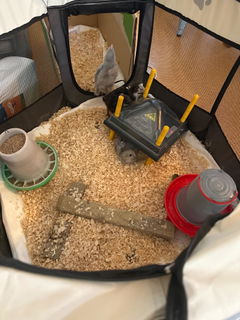
If your chicks are being fed a complete chick crumble from day one through to point of lay, you usually won’t need to add grit to their diet. If you start offering treats or greens from around 3 to 4 weeks of age, we recommend providing a calcium-free insoluble stone grit to help support healthy digestion. Avoid shell grit at this stage, as the extra calcium can be harmful to young chicks’ kidneys. Choose a fine, clean, local insoluble grit option. In New Zealand, many backyard poultry keepers use coarse river sand, coarse grit, or small crushed pea metal once young birds begin eating grains, seeds, treats, and mealworms. Another simple DIY option is to offer a small bowl of ‘garden’ dirt or provide a small dust bath bowl in the brooder. They will love this! As the chicks peck through the soil, they naturally pick up tiny insoluble particles and sand that can help their gizzards process food.

ℹ️ Learn more

Poultry Shell Grit | Appletons

Product form

Yes, we recommend giving shell grit to your hens! We feed out Weston Layer Pellets to our laying birds and... Read more

Free pickup in our shop(s)

$10.00 Incl. GST

    • We ship (courier) same day or next working day
          Description


          Yes, we recommend giving shell grit to your hens!

          We feed out Weston Layer Pellets to our laying birds and the soluble calcium levels in this commercial feed are adequate for egg production with sound shells. However, for those birds that are in enclosed runs and do not have access to large areas of free range, we provide shell grit separately. Shell grit has 3 benefits over the soluble limestone they add in the feed.

          • The hard shell bits act as teeth in the gizzard to assist in grinding up the feed and aids digestion.
          • The intake of calcium from the shells helps strengthen the shell of the chicken eggs.
          • Plus trace elements from the sea will be beneficial to their diet

          At Appletons, we fill a small pot planter (or an old pottery dish with a hole in it) secured by a wire stake in the ground (so the birds don't knock it over!) with our fine shell grit. Don't forget to line it with some weed mat to contain the grit so it does not all wash out!

          Available in a 2kg or a 5kg bag.

          Grit for Younger Birds?

          If your chicks are being fed a complete chick crumble from day one through to point of lay, you usually won’t need to add grit to their diet. If you start offering treats or greens from around 3 to 4 weeks of age, we recommend providing a calcium-free insoluble stone grit to help support healthy digestion. Avoid shell grit at this stage, as the extra calcium can be harmful to young chicks’ kidneys. Choose a fine, clean, local insoluble grit option. In New Zealand, many backyard poultry keepers use coarse river sand, coarse grit, or small crushed pea metal once young birds begin eating grains, seeds, treats, and mealworms. Another simple DIY option is to offer a small bowl of ‘garden’ dirt or provide a small dust bath bowl in the brooder. They will love this! As the chicks peck through the soil, they naturally pick up tiny insoluble particles and sand that can help their gizzards process food.

          ℹ️ Learn more

          Login

          Forgot your password?

          Don't have an account yet?
          Create account